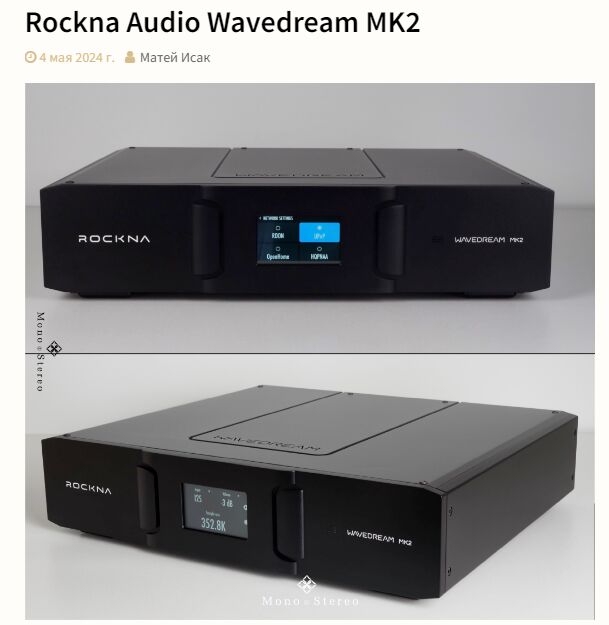

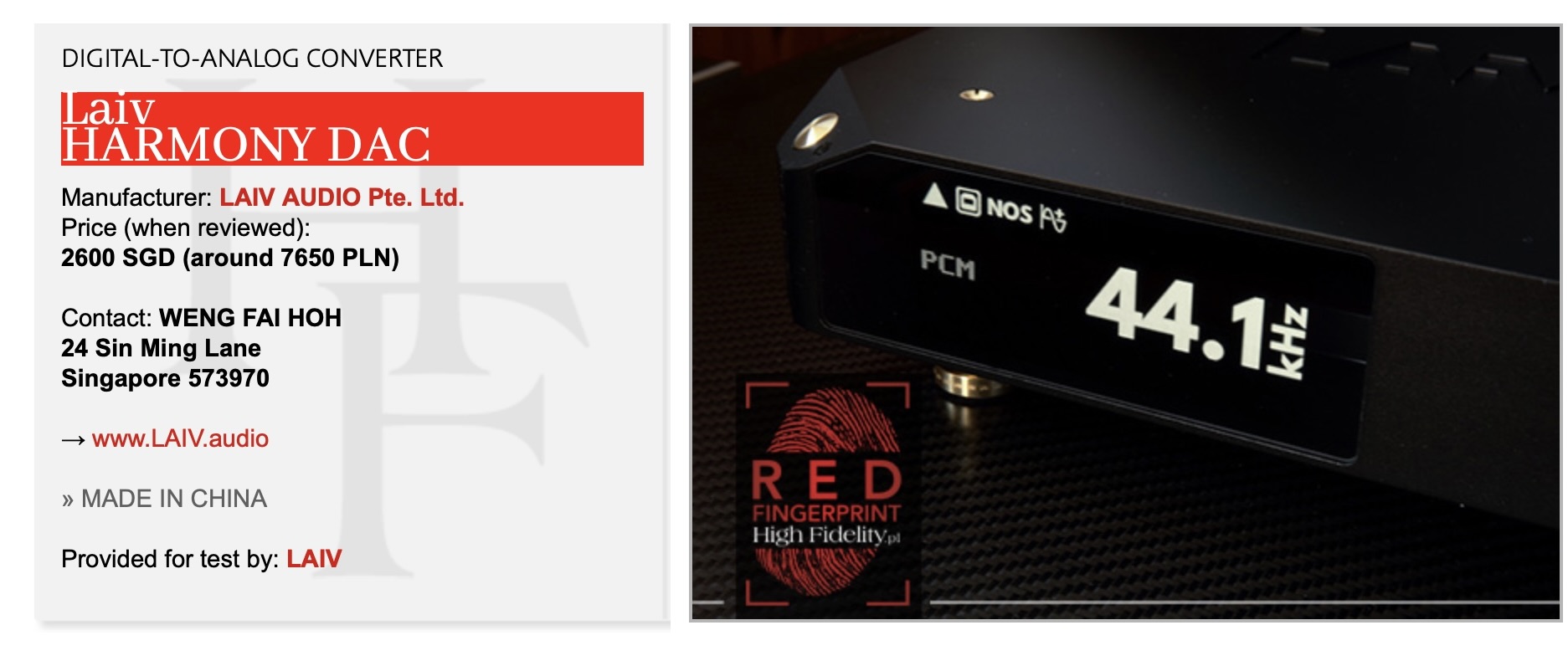
Вот тут Fiio r2r на фоне этого за 2500 выигрышнее смотрится 
Цап уже относительно не новый, но любопытно, что за “струнная система декодирования” 
The string architecture
The string architecture is as the name implies, a series of resistors placed in series to build a string. In theory, you would need 256 resistors to build an 8-bit DAC (28 = 256).
Increasing the resolution means also increasing the number of resistors needed to build a string DAC. For a 16-bit DAC, one would need a total of 65,536 resistors to generate all the possible voltages/digital steps. However, in the real world of design it is impractical to implement nearly 66 thousand resistors on a single chip, especially with today’s requirements of small packages, low power dissipation, and low cost.
Hence, designers came up with additional smaller circuitry such as interpolating amplifiers that reduce the necessary amount of resistors, and tapping points on the resistor string, allowing a more power-efficient and less space-consuming design. The interpolating amplifier is used as an output buffer. Some of today’s string architectures have a pin available for the amplifier’s external feedback loop.
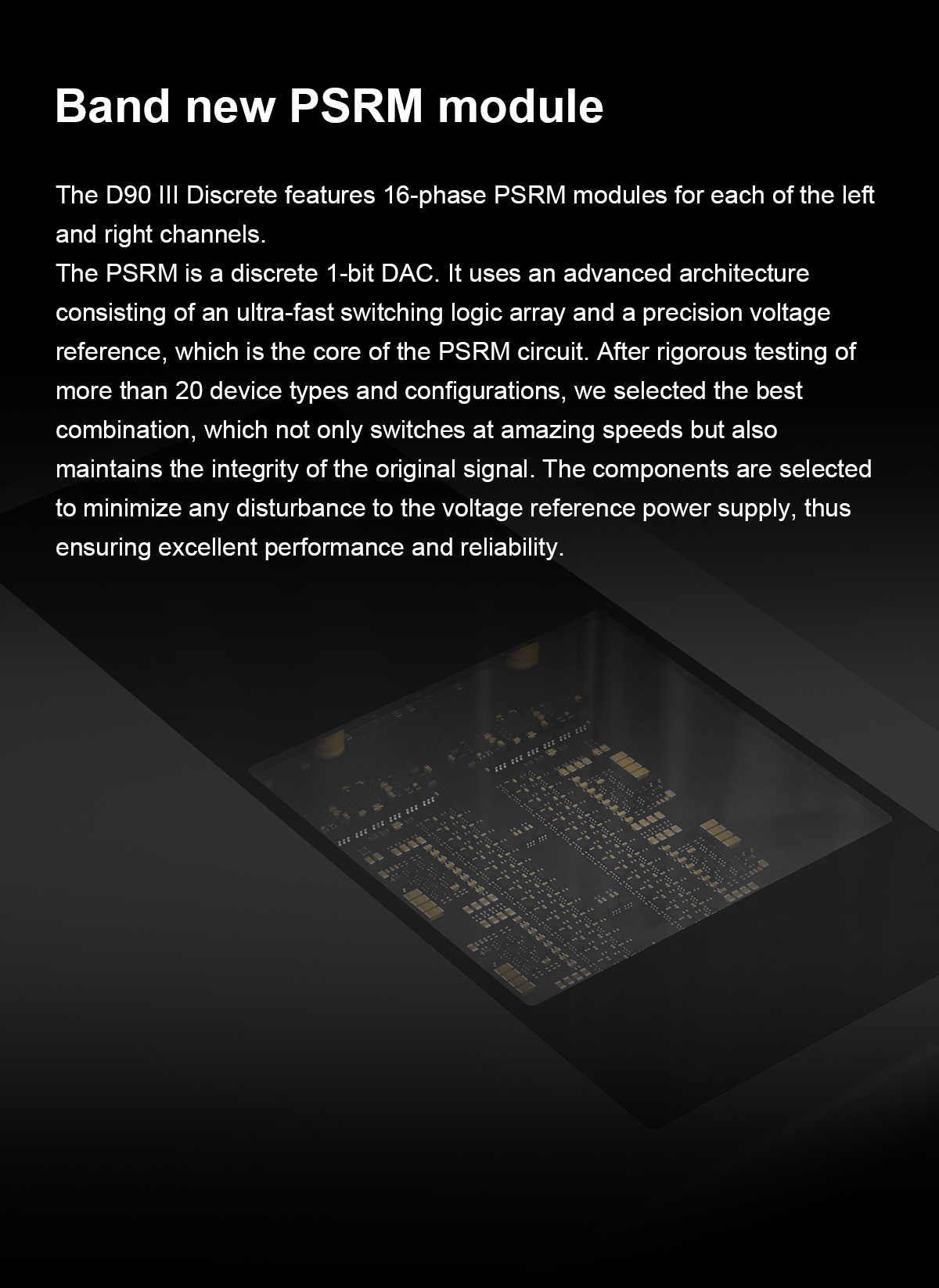
TOPPING D90III Discrete
Ну тут нормальные генераторы все же.
А также сертификат ))))) и милая коробка и пульт.
Какая-то дичь. А для 24 бит нужно 16 миллионов резисторов? )))
Вы же очень умный, вам виднее. Я лишь взял отсюда https://www.planetanalog.com/understand-the-differences-between-r2r-and-string-dac-architectures/
Ну вы много видели современных матричных R2R с миллионами резисторов? Я ни одного.
Если внимательней почитать, а не орать с первой строчки, то там написано почему нет стринговых архитектур с миллионами резисторов.
Интересная реализация однобитного цапа, крутые измерения, но есть ли жизнь в звуке - надо послушать.
А, вот с полной ссылкой понятнее.
А разве однобитные цапы это сюда? 
Так какой у них ЦАП в итоге? Вроде они пишут, что их инженеры реализовали какой-то интерполирующий усилитель … Какая-то обстракция.